

I want you to meet Priya. She is 34 years old, works long hours at a marketing firm, and has been “dieting” for the better part of three years. She skips breakfast, eats a small salad at lunch, has a modest dinner, and still cannot seem to shift the stubborn weight around her midsection. By her own estimate, she is probably eating 1,100 calories a day — and she is miserable.
What Priya does not realise is that her strategy is not just failing her — it is actively working against her. Eating less, below a certain threshold, can trigger a set of physiological responses that make weight loss harder, not easier. Understanding why is the first step to breaking the cycle.
Starving yourself isn't the answer — your body adapts. Understand adaptive thermogenesis, cortisol, hormonal disruption, and why smart eating beats restriction every time.

The Metabolism Myth: Why Fewer Calories Does Not Always Mean Less Fat
The most common weight loss advice is rooted in the idea of a “calorie deficit” — eat less than you burn, lose weight. And while calories absolutely matter, the equation is far more complex than a simple subtraction problem.
Your body is not a calculator. It is a highly adaptive, survival-driven organism that has evolved over hundreds of thousands of years to protect you from starvation. When you drastically cut food intake, your body interprets this as a crisis — and responds accordingly.
Adaptive Thermogenesis: Your Body Slows Down
One of the most well-documented responses to calorie restriction is adaptive thermogenesis — a reduction in your metabolic rate that goes beyond what would be expected based on changes in body composition alone. In plain terms: your body starts burning fewer calories to function, even at rest.
A landmark study following contestants from the television show The Biggest Loser found that years after the show, participants had a metabolic rate significantly lower than expected for their size. Some were burning up to 500 fewer calories per day than predicted. This slowing is not a side effect — it is your body doing exactly what it is designed to do when food becomes scarce.
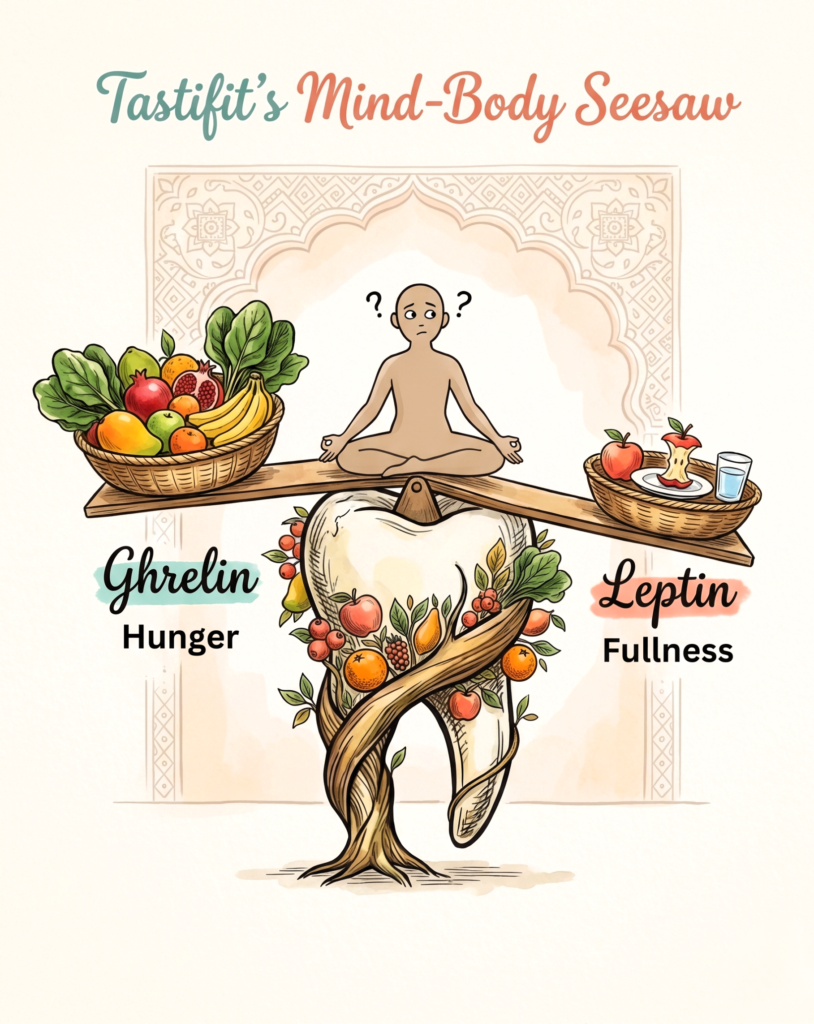
Hormonal Disruption: Hunger Goes Up, Satisfaction Goes Down
When you under-eat, two key hormones shift in ways that make staying on track incredibly difficult:
- Ghrelin rises — your hunger hormone surges, often to levels higher than before you started dieting. This is why people who have been on severe diets often report feeling ravenously hungry.
- Leptin falls — leptin is the hormone that signals fullness and satisfaction. It drops sharply with calorie restriction, meaning your brain stops receiving the “I’ve had enough” signal reliably.
These hormonal changes can persist long after the diet ends, which explains why weight often returns rapidly — and sometimes exceeds the original starting weight.
You Are Losing Muscle, Not Fat
This is one of the most important — and least discussed — consequences of severe calorie restriction. When the body does not have enough incoming fuel, it does not exclusively burn stored fat. It also breaks down muscle tissue for energy, especially if protein intake is low (which it often is on restrictive diets).
Muscle is metabolically active tissue — it burns calories even while you are sitting still. Every kilogram of muscle lost means your resting metabolic rate drops further. So not only are you eating less, your body now needs even fewer calories to function — a shrinking target that makes further weight loss increasingly difficult.
Priya, after reviewing her body composition, discovered she had lost 4 kilograms over two years — but nearly 60% of it was lean muscle, not fat. Her body fat percentage had actually increased even as the number on the scale went down.
Stress, Cortisol, and Belly Fat
Severe restriction is a form of physical stress. The body responds by releasing cortisol — the primary stress hormone. Elevated cortisol, particularly when chronic, has a direct link to fat storage around the abdomen and organs (visceral fat), disrupted sleep, increased cravings for sugar and refined carbohydrates, and reduced thyroid function.
In other words, chronic under-eating can create the exact pattern of symptoms that make weight management harder over time. If you feel like you are fighting your own body, there is a good chance you are — because that restriction has put your stress-response systems on high alert.
The Role of Gut Health in Weight Management
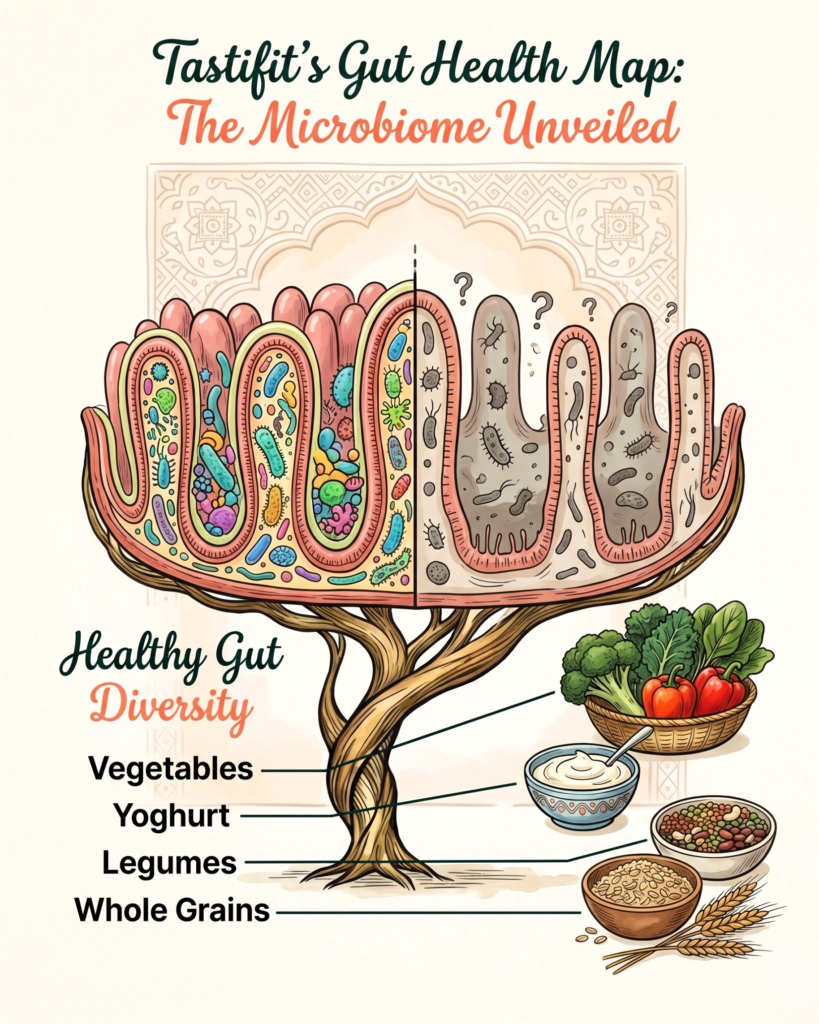
Emerging research over the past decade has highlighted the profound influence of the gut microbiome on metabolic health and body weight. Severe calorie restriction, especially if it results in a monotonous diet, can reduce the diversity of gut bacteria — which affects how efficiently you extract energy from food, how you regulate appetite, and even your mood.
People with a more diverse gut microbiome tend to have better metabolic health markers. Fibre-rich foods, fermented foods, and probiotic sources nourish the microbiome — and ironically, these are often the first things cut when someone goes on a strict diet.
Undereating and Thyroid Function
Emerging research over the past decade has highlighted the profound influence of the gut microbiome on metabolic health and body weight. Severe calorie restriction, especially if it results in a monotonous diet, can reduce the diversity of gut bacteria — which affects how efficiently you extract energy from food, how you regulate appetite, and even your mood.
People with a more diverse gut microbiome tend to have better metabolic health markers. Fibre-rich foods, fermented foods, and probiotic sources nourish the microbiome — and ironically, these are often the first things cut when someone goes on a strict diet.
What Should You Do Instead?

This is not about overeating. It is about eating enough — of the right things — to give your body what it needs to function, repair, and yes, release stored fat willingly rather than defensively.
Find Your True Maintenance Calories First
Before thinking about a deficit, understand where your maintenance actually sits. A deficit of 300–400 calories from maintenance is far more sustainable and less physiologically disruptive than slashing 800–1,000 calories overnight. Slow and steady produces better long-term outcomes.
Prioritise Protein at Every Meal
Protein is thermogenic (you burn calories digesting it), highly satiating, and muscle-preserving. Increasing protein while moderately reducing overall calories is consistently shown to produce better body composition outcomes than simply cutting carbs or fats.
Include Strength Training
Building and maintaining muscle increases your resting metabolic rate, making weight management easier over the long term. You do not need to become a bodybuilder — two to three sessions of resistance exercise per week can make a meaningful difference.
Eat Enough for Your Activity Level
If you exercise regularly but eat as though you are sedentary, you are creating the conditions for metabolic adaptation. On days you train, eat more. On rest days, eat a little less. This approach — sometimes called calorie cycling — helps avoid the sustained deficit that triggers metabolic slowdown.
Address Sleep and Stress
No diet works well in a chronically stressed, sleep-deprived body. Poor sleep alone disrupts ghrelin and leptin to the point that hunger the following day can be significantly elevated. Managing sleep hygiene and stress is not optional — it is foundational to weight management.
When to Seek Help
If you have been restricting calories for months or years and are not seeing results — or are experiencing fatigue, hair loss, constant hunger, hormonal irregularities, or mood disruption — it is a strong signal that your body is under physiological stress. This is not a willpower issue. This is biology.
Working with a registered dietitian or nutritionist who understands metabolic adaptation can help you reverse the damage of chronic restriction, reset your metabolism, and build a sustainable approach to food that supports your weight and your health long-term.
Final Thoughts
Eating less is not always the answer. Eating smarter, eating consistently, and eating enough to support your biology is. The body is not your enemy — but extreme restriction will turn it into one. Give it what it needs, and it will work with you, not against you.
drbansi@tastifit.com
Nutritionist & Dentist
- April 19, 2026
- 9:08 am
- TastiFit
- Dr. Bansi Parikh