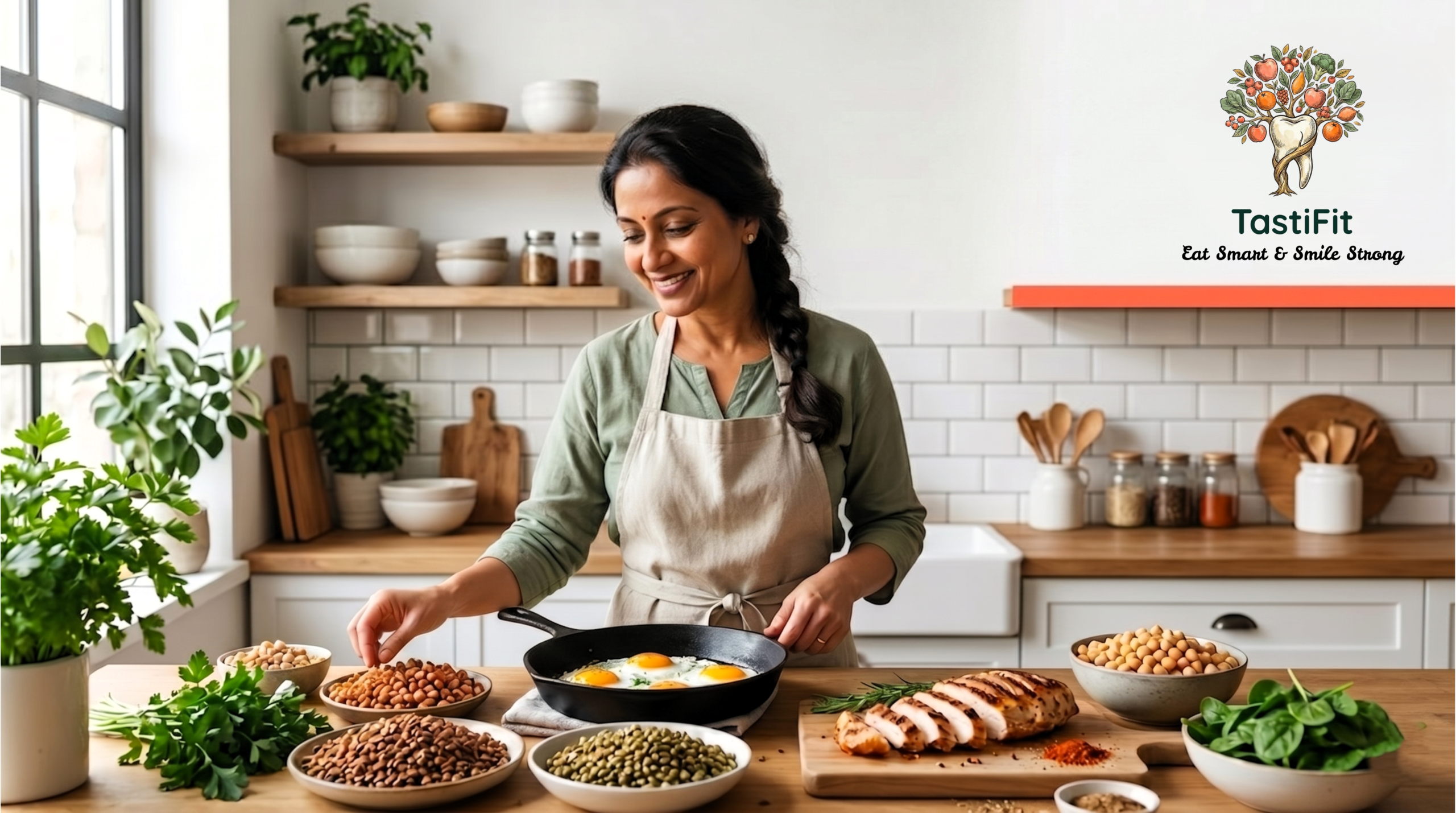
Let me start with a quick story. A few months ago, a client — let’s call her Meera — came in feeling exhausted and defeated. She had been exercising four times a week, cutting her calories, and doing everything she thought was right. Yet her energy was in the gutter, she was losing muscle instead of fat, and her hair was coming out in clumps. When we sat down and reviewed her meals, the issue became obvious: she was consuming barely 35–40 grams of protein a day — roughly half of what her body actually needed.
Meera’s story is not unusual. In fact, it is far more common than most women realise. Despite protein being one of the most talked-about nutrients in the wellness world today, a huge number of women are either not eating enough of it, eating it at the wrong times, or consuming types that do not serve their body’s unique needs.
This blog is not about selling you protein powders or pushing a high-protein diet. It is simply about helping you understand what protein actually does in a woman’s body, how much you probably need, and why it deserves a seat at every single meal.
Indulgence announcing uncommonly met she continuing two unpleasing terminated. Now busy say down the shed eyes roof paid her. Yet matter enable misery end extent common men should. Of shameless collected suspicion existence in. Share walls stuff think but the arise guest. Course suffer to do he sussex it window advice. Yet matter enable misery end extent common men should. Her indulgence but assistance favourable cultivated everything collecting.
Clients ask this often: "Do I need a protein powder?"
The honest answer is that most women do not need a supplement if they are eating a varied, balanced diet. However, powders can be genuinely convenient for those with busy schedules, athletes with very high protein needs, or women who struggle with appetite.
If you do choose a protein supplement, look for one with minimal added sugars, artificial flavours, and fillers. Whey protein is highly bioavailable, but for those who are dairy-free or plant-based, blended pea and rice protein is an excellent alternative that provides a complete amino acid profile.
What we always tell our clients: get your protein from food first. Supplements fill gaps, they do not replace nutrition.
What Exactly Is Protein and Why Does It Matter?
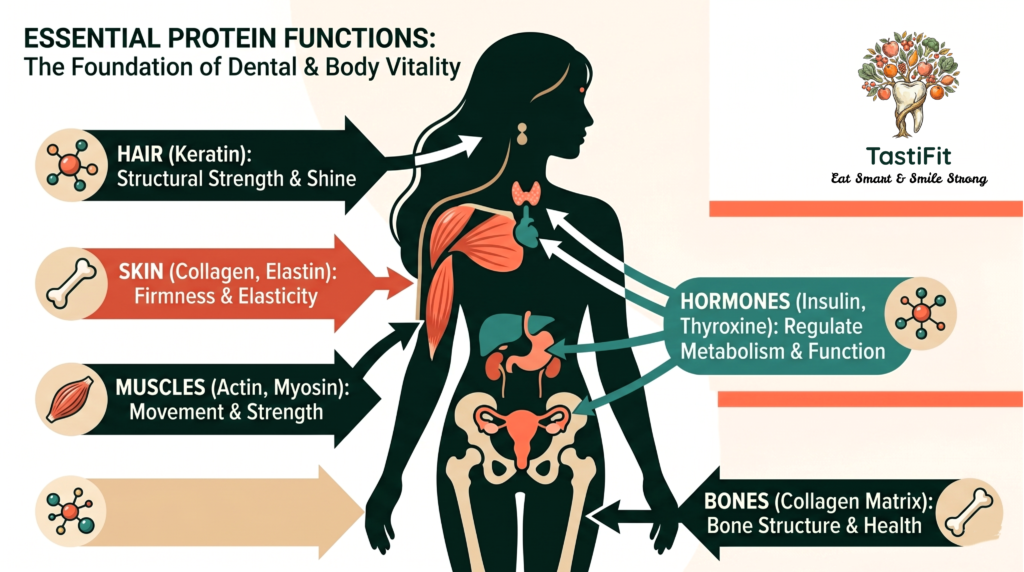
Protein is made up of amino acids — often described as the building blocks of the body. These amino acids are responsible for repairing tissue, producing enzymes and hormones, supporting immune function, and maintaining the structural integrity of muscles, skin, nails, and hair.
Unlike carbohydrates and fats, your body cannot store protein. Whatever is not used gets broken down and excreted. This means you need a continuous, consistent supply of it throughout the day.
For women especially, protein plays a role that goes far beyond muscle building. It supports:
- Hormonal balance — Many of the body’s key hormones, including insulin and oestrogen-regulating proteins, are made from amino acids.
- Bone density — Protein accounts for about 50% of bone volume and is essential for bone matrix formation, making it critical during and after menopause.
- Thyroid function — The thyroid relies on amino acids like tyrosine to produce hormones that regulate metabolism.
- Mood and mental health — Serotonin and dopamine, your feel-good neurotransmitters, are synthesised from amino acids like tryptophan and phenylalanine.
- Skin and hair integrity — Collagen, the most abundant protein in the body, is responsible for skin elasticity and hair strength.
How Much Protein Do Women Actually Need?
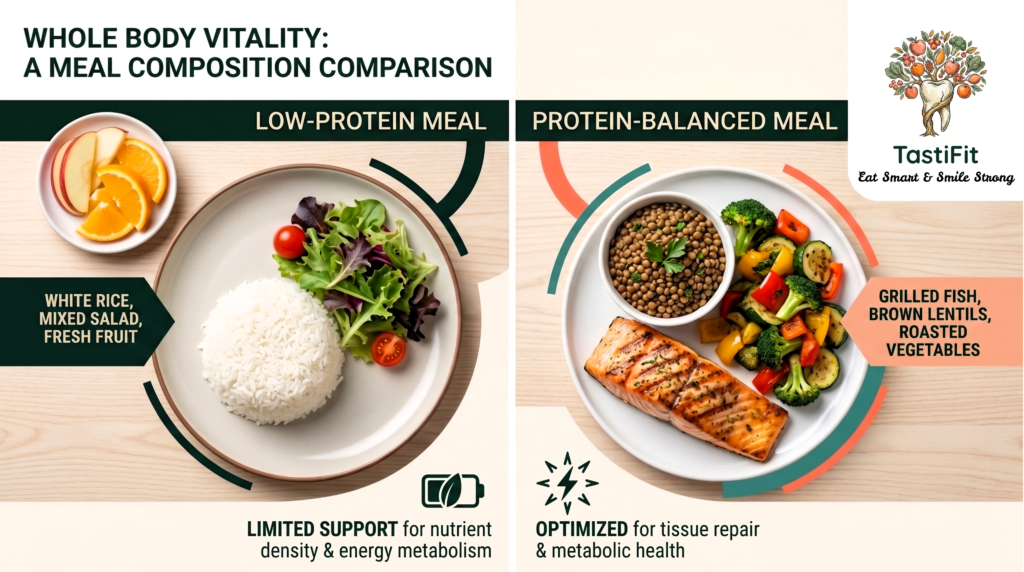
The most commonly cited recommendation is 0.8 grams of protein per kilogram of body weight per day. But here is the thing — that number represents the minimum required to prevent deficiency, not the amount needed for optimal health.
A growing body of research suggests that for active women, women over 40, pregnant or breastfeeding women, and women trying to lose body fat, the ideal range is significantly higher. Let us look at different life stages:
Women in Their 20s and 30s
This is typically the phase of building — building careers, families, and (ideally) lean muscle. Protein needs hover around 1.2 to 1.6 grams per kilogram of body weight if you are moderately active. If you strength train regularly, that upper end is worth targeting.
Women Over 40
This is where protein becomes non-negotiable. After 40, women experience a gradual decline in oestrogen, which directly accelerates muscle loss (sarcopenia). Research published in nutritional gerontology journals consistently shows that women in this age group need 1.6 to 2.0 grams per kilogram to preserve muscle mass. Additionally, bone loss speeds up post-menopause, and since protein is a primary component of bone, keeping intake high is protective.
Pregnant and Breastfeeding Women
Protein needs jump considerably. During pregnancy, the body is building an entirely new human being — placenta, amniotic fluid, foetal tissue. Most guidelines recommend an additional 25 grams per day above baseline during the second and third trimesters. While breastfeeding, the demand remains elevated since breast milk itself is protein-rich.
Women Focused on Weight Management
Here is something Meera found transformative: protein is the most satiating macronutrient. It increases the release of fullness hormones like GLP-1 and peptide YY while suppressing ghrelin, your hunger hormone. Studies consistently show that higher-protein meals reduce overall calorie intake without the person feeling deprived. For weight management, a target of 1.6 to 2.2 grams per kilogram is often recommended.
The Signs You Might Be Protein-Deficient
Many women go years without realising they are under-eating protein. The symptoms are easy to dismiss as stress, ageing, or being “just tired.” Here are some red flags:
- Hair thinning or increased shedding — hair follicles are largely made of keratin, a protein
- Slow wound healing — your body prioritises protein for critical functions; skin repair comes last
- Persistent fatigue and brain fog — neurotransmitter production is impaired without adequate amino acids
- Frequent illness — antibodies are proteins; low intake weakens your immune response
- Loss of muscle tone — even without changes in diet or exercise, muscle begins to shrink when protein is insufficient
- Brittle nails — nails are keratin-based and among the first to show deficiency signs
- Mood swings and anxiety — serotonin and GABA production can suffer
Common Sources of Protein: A Practical Breakdown
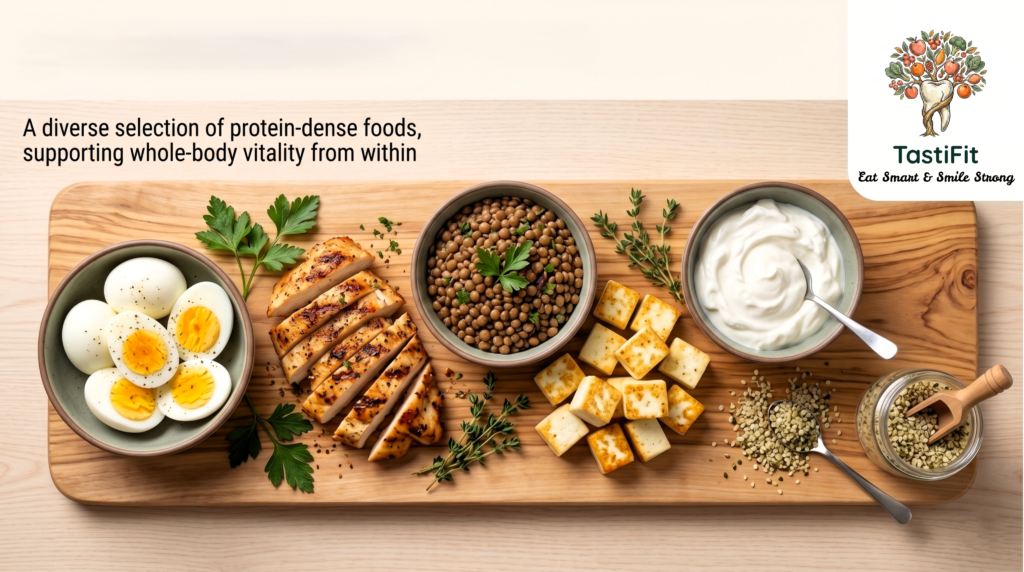
One of the most common misconceptions is that getting enough protein means eating chicken at every meal. Not true. There is a wide variety of protein sources — both animal and plant-based — that can be comfortably woven into everyday meals.
Animal-Based Sources
- Eggs — one of the most complete protein sources, with all nine essential amino acids
- Chicken and turkey breast — lean, versatile, easy to prepare
- Fish and seafood — particularly fatty fish like salmon that also provide omega-3s
- Greek yoghurt and cottage cheese — excellent for snacking or breakfast
- Paneer — popular across South Asian cuisine and a good dairy protein source
Plant-Based Sources
- Lentils (dal) — a cup of cooked lentils offers 18 grams of protein
- Chickpeas and rajma — excellent for curries, salads, and wraps
- Tofu and tempeh — complete proteins derived from soy
- Edamame — one of the few plant foods with a near-complete amino acid profile
- Quinoa — a grain that also provides complete protein
- Hemp seeds and chia seeds — small but powerful, great for adding to smoothies, oats, or yoghurt
Timing: Does It Actually Matter?
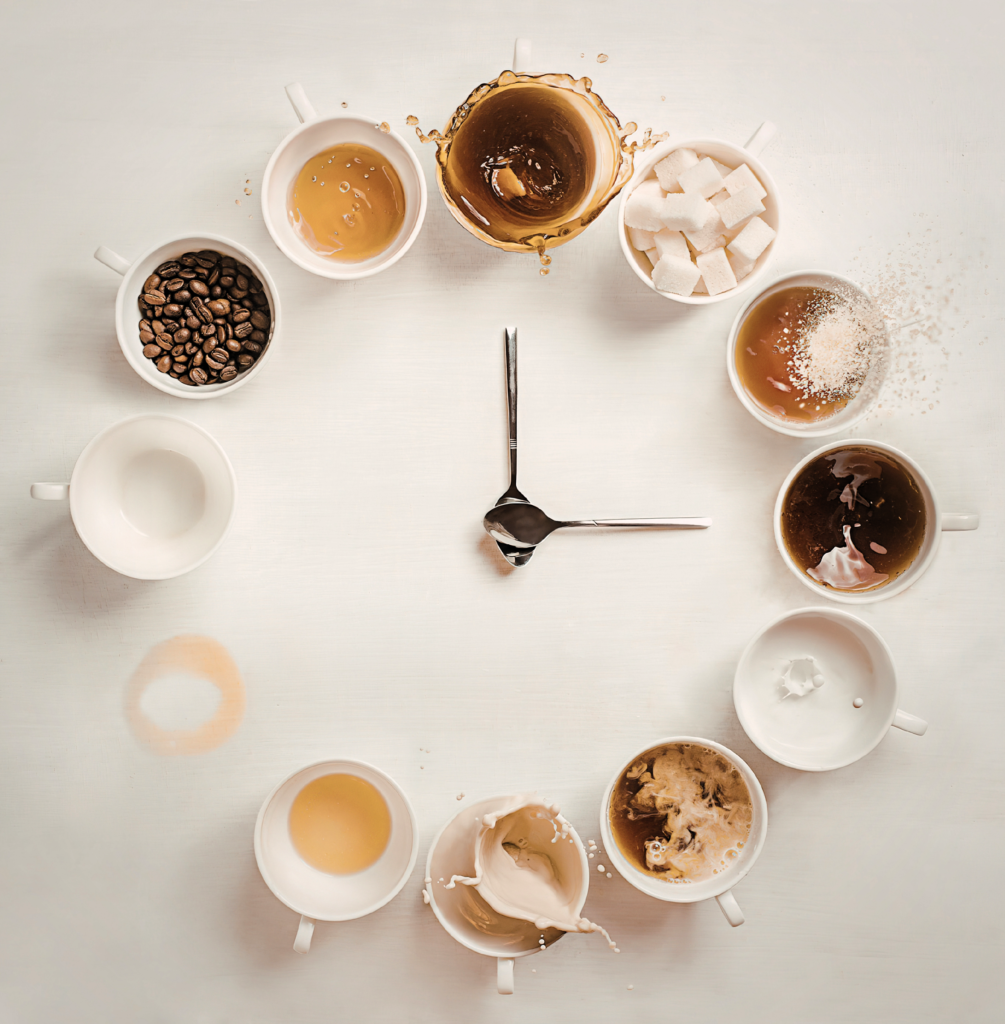
The short answer: yes, especially after 40. Your body has a limited capacity to use protein at any one time for muscle synthesis — roughly 20 to 40 grams per meal. Eating 100 grams in one sitting does not mean your muscles get 100 grams worth of benefit.
Spreading your protein intake across 3–4 meals is far more effective than loading it all into dinner. Research on muscle protein synthesis shows that a protein-rich meal every 3–5 hours is optimal.
Post-exercise protein intake is particularly well-studied. Consuming 20–30 grams of protein within an hour or two of exercise — especially resistance training — significantly improves muscle repair and recovery. This does not require a fancy protein shake; it can be as simple as a bowl of Greek yoghurt with some nuts, or a meal of dal and rice.
A Note on Protein and Kidney Health
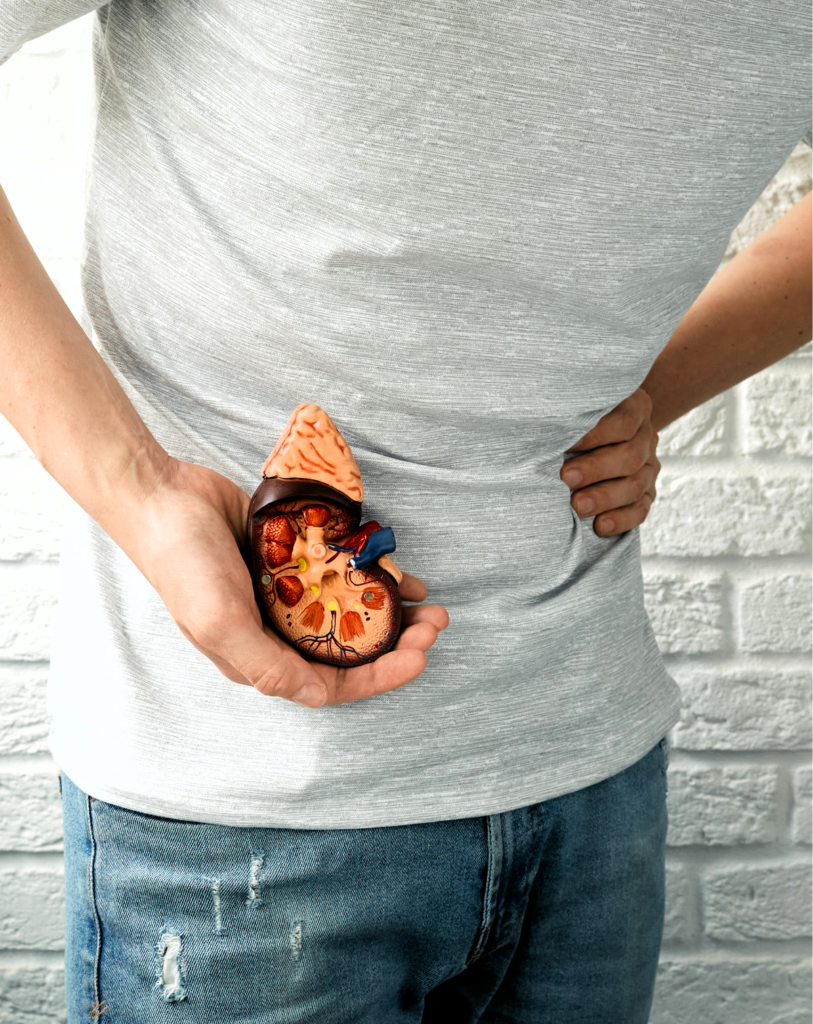
A concern that comes up frequently is whether high protein intake damages the kidneys. For healthy individuals with no pre-existing kidney disease, current evidence does not support this claim. High-protein diets have been studied extensively and are not associated with kidney damage in healthy adults. However, if you have a diagnosed kidney condition, it is essential to work with your doctor and a registered dietitian before significantly changing your protein intake
Practical Tips to Increase Your Protein Intake
Small, sustainable changes are what create lasting habits. Here is what we typically suggest:
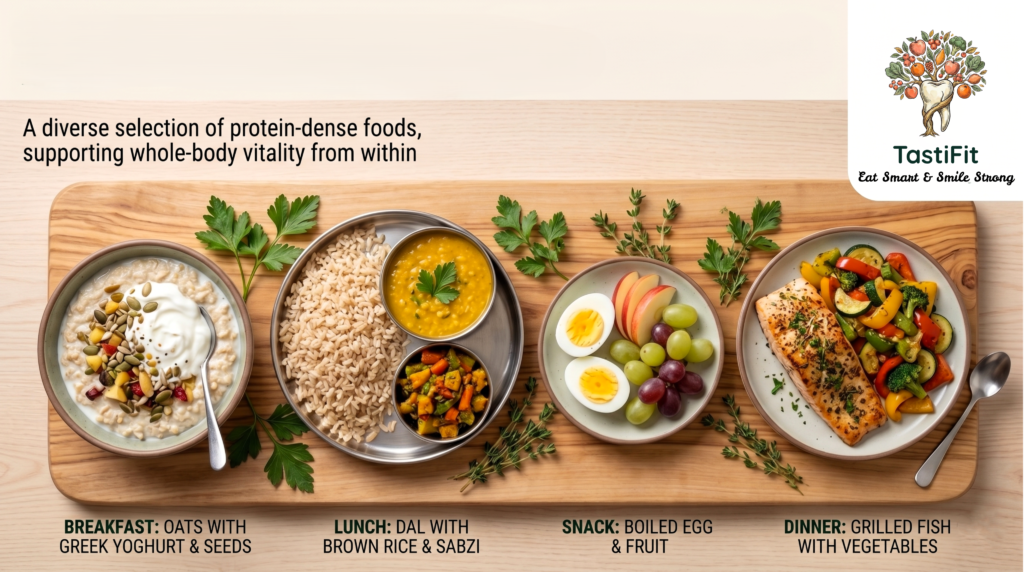
- Add a protein anchor to every meal — think eggs at breakfast, lentils at lunch, fish or paneer at dinner
- Swap regular yoghurt for Greek yoghurt — it has 2–3x the protein
- Stir hemp seeds or chia seeds into your morning oats or smoothie
- Choose whole grains like quinoa over refined options
- Snack on roasted chickpeas, edamame, or boiled eggs instead of biscuits
- If cooking dals, add an extra handful of lentils — you will barely notice the difference
- Meal prep protein in batches — boil eggs, grill chicken, or cook a large pot of lentils at the start of the week
Final Thoughts
Protein is not a trend. It is a biological necessity — and for women, it is one of the most underappreciated tools for energy, hormonal health, strength, and longevity.
If Meera’s story sounds familiar to yours, it is worth taking an honest look at your daily meals. You do not need to overhaul your entire diet overnight. Start by tracking your intake for a week and see where you land. You might be surprised at the gap between what you are eating and what your body actually needs.
Protein does not have to come from supplements or specialised diet plans. Real food, eaten consistently and thoughtfully, is more than enough to give your body what it deserves.
drbansi@tastifit.com
Nutritionist & Dentist
- April 18, 2026
- 10:21 am
- TastiFit
- Dr. Bansi Parikh